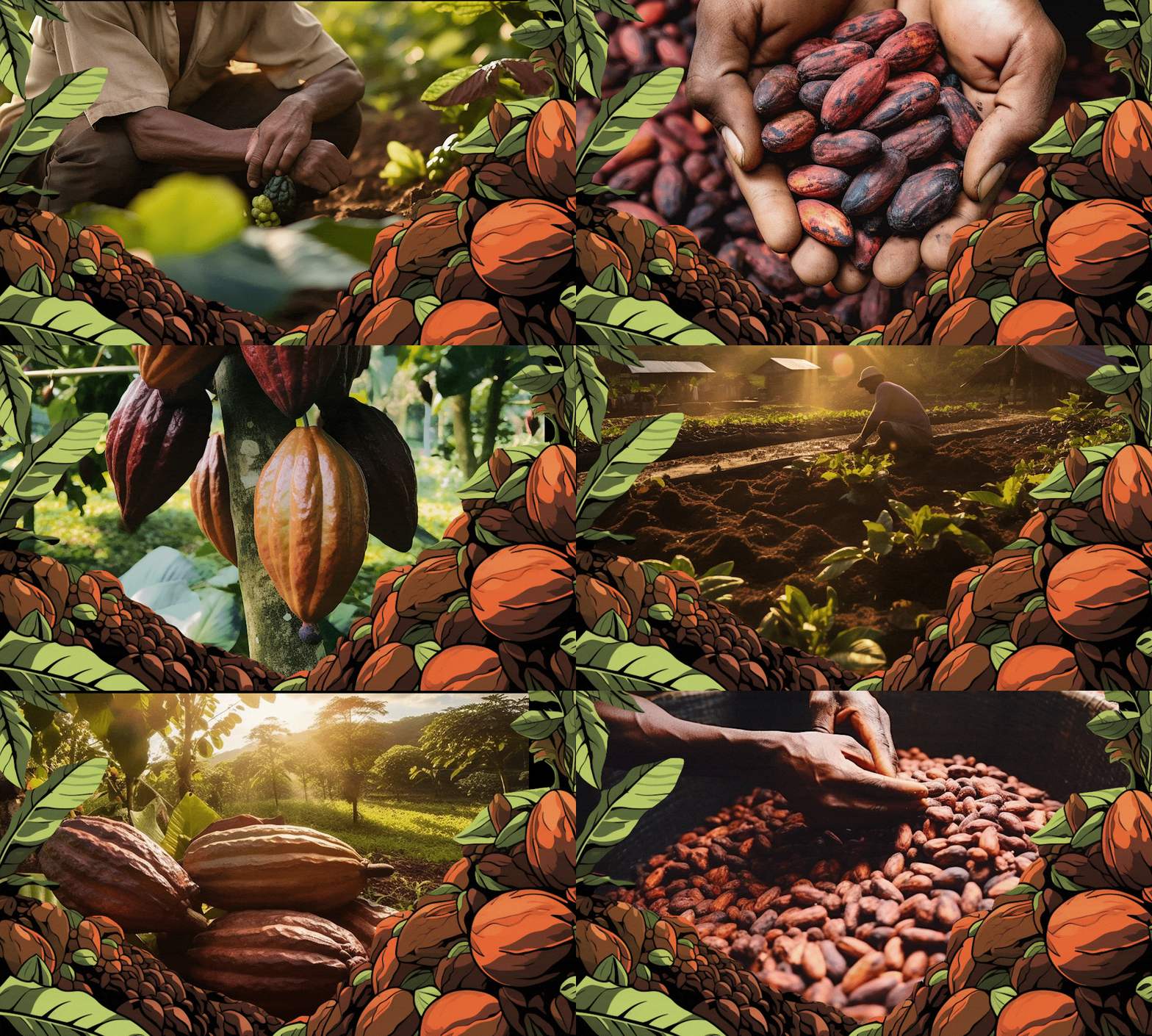
When you enjoy a piece of fine chocolate, it’s easy to forget its journey began in the lush, humid tropics, where the cacao tree (Theobroma cacao) thrives. At Tropical Caca, we invite you to take a closer look behind the scenes—into the heart of our farm, where each pod tells a story of tradition, biodiversity, and hope for a sustainable future.
From Pod to Bean: Nature’s Craftsmanship
Our cacao trees flourish under the canopy of tropical forests, their colorful pods hanging like ornaments on sturdy trunks. Each pod contains 20–40 beans encased in a sweet, sticky pulp. Harvesting is done by hand—carefully and respectfully—just as it has been for generations. We believe the best cacao is grown slowly, in harmony with nature, not industry.
Empowering Communities, One Bean at a Time
Cacao farming is more than agriculture; it’s a livelihood that connects families and communities. At Tropical Caca, we work directly with local growers, offering fair pay, training, and support. Many of our team members are women and young farmers who are passionate about preserving their land while building a future through ethical trade.
Sustainability at the Core
Our cacao isn’t just grown—it’s nurtured. We use organic methods to integrate shade trees to protect biodiversity. Every initiative supports our goal of making chocolate not just delicious, but responsible.
Crafting a Better Chocolate Story
We’re not just growing cacao—we’re rewriting the narrative. Through transparent practices, technology, and community-led innovation, we’re creating a model that others can follow. Whether it’s bean-to-bar craftsmanship, agroforestry education, or eco-tourism opportunities, Tropical Caca is planting the seeds for something bigger than chocolate.
Join Us on the Journey
We believe everyone deserves to know where their chocolate comes from. Follow our blog for updates from the farm, interviews with growers, sustainability tips, and glimpses of daily life in the tropics. Taste the difference. Share the story.
Because real chocolate starts at the root.
The Real Difference: How Liberia’s Tropical Cacao is Transforming Sustainable Chocolate
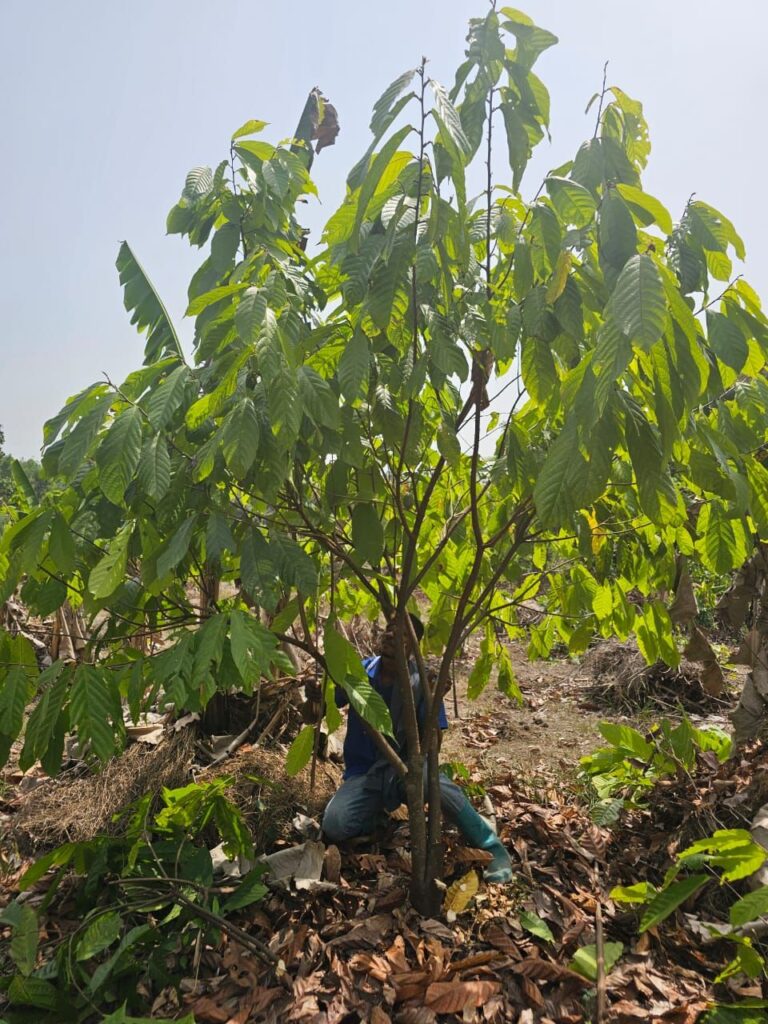
From the lush rainforests of West Africa to the hands of conscious chocolate lovers in the world, a quiet revolution is underway. It begins with a cacao pod—and ends with a purpose.
A Story of Roots and Regeneration
Liberia, a country known for its resilient people and rich natural landscapes, is now making waves in the world of fine chocolate. At the heart of this transformation is Tropical Cacao—a Liberian brand redefining what it means to produce ethical, sustainable chocolate from the ground up.
In a world flooded with mass-produced confections, Tropical Cacao stands apart—not just for its taste, but for its truth.
Fermented vs. Unfermented Cacao: Why It Matters
You’ve seen it on labels: “raw,” “fermented,” “single-origin.” But what do these words really mean?
The fermentation process is a natural, traditional method used in cacao farming to enhance flavor. It involves allowing the cacao beans, still in their pulp, to ferment in wooden boxes or banana leaves for several days. This unlocks complex notes like fruit, nut, and spice, forming the flavor base of your favorite chocolates.
Unfermented cacao, by contrast, is dried without this microbial transformation. While it retains more antioxidants and has a more bitter, earthy flavor, it lacks the depth of taste that defines gourmet chocolate.
At Tropical Cacao, we do both—but with intention. Our fermented cacao is used to craft smooth, full-bodied chocolate bars that awaken the palate, while our unfermented cacao is celebrated in wellness and raw food circles for its natural purity.
Why U.S. Consumers Should Care
Taste with Transparency: Every bean is traceable to the village where it was grown—ensuring ethical sourcing and fair wages.
Health + Heritage: You get real, minimally processed chocolate—rich in polyphenols, with no hidden additives.
Support Regenerative Farming: By choosing Tropical Cacao, you support climate-smart agriculture that restores soil and protects Liberia’s rainforest ecosystems.
Cacao Farming in Liberia: A New Era of Opportunity
Liberia’s fertile soil and tropical climate make it an ideal home for cacao trees. But for decades, local farmers were left out of the global market, underpaid and undervalued.
Tropical Cacao is changing that. We work directly with farming families to:
Improve post-harvest practices (especially fermentation and drying)
Train youth and women in agroforestry and entrepreneurship
Build infrastructure like solar dryers and fermentation boxes
Develop local value chains so more chocolate is made in Liberia, not exported as raw commodity
Liberian Chocolate, Crafted with Pride
Every bar of Tropical Cacao chocolate is more than a treat—it’s a symbol of Liberia’s potential. Made in micro-batches, our chocolate showcases the region’s natural terroir: floral, fruity, bold.
We don’t white-label or outsource. We brand it with pride: “Grown in Liberia. Made in Liberia.” That matters.
The Sustainable Chocolate Consumers Deserve
As American buyers become more conscious of their impact, Tropical Cacao meets the moment with chocolate that checks every box:
Organic Practices (without the certification cost burden on farmers)
Zero Child Labor
Plastic-Free Packaging
Rainforest Alliance-aligned values
Transparent Direct Trade (no middlemen, no mystery)
Education, Not Just Indulgence
Tropical Cacao isn’t just about selling bars—it’s about building knowledge. That’s why we’ve published educational resources on topics like:
The Difference Between Fermented and Unfermented Cacao
The Supply Chain Economics of Chocolate
Climate Change and Cacao Farming
How Cacao Can Break Cycles of Poverty
These articles aren’t SEO fluff. They’re based on real experience, written from the perspective of a Liberian-led brand creating change on the ground.
From Liberia to the World: Why This Story Must Be Told
Too often, African cacao is hidden behind European branding. The farmers grow it. The West reaps the credit.
We’re reversing that.
By building a Liberian chocolate identity, Tropical Cacao ensures that African voices are at the forefront—not just as laborers, but as brand owners, storytellers, and innovators.
We invite chocolatiers globally to be part of that story. Because the future of chocolate is African. And it’s already here.
Why Tropical Cacao Tastes Better: Secrets From Rainforest Farms
🌴🍫
*Discover the hidden magic behind the world’s most exquisite chocolate and why its tropical origins make all the difference*
## Introduction: The Tropical Difference 🌞
When you bite into a piece of truly exceptional chocolate, that moment of pure bliss isn’t just in your imagination. There’s actual science—and centuries of wisdom—behind why chocolate sourced from tropical regions delivers a flavor experience that simply can’t be replicated elsewhere.
As global interest in artisanal, single-origin chocolate continues to grow, discerning chocolate lovers are increasingly asking: **why does tropical cacao taste so much better?** The answer stays in a fascinating combination of geography, biodiversity, traditional farming practices, and the unique cultural heritage of tropical cacao-growing regions.
In this comprehensive guide, we’ll journey deep into the lush rainforests where the world’s finest cacao is grown and uncover the secrets that make tropical chocolate a truly transcendent experience.
## The Perfect Growing Environment: Nature’s Chocolate Laboratory 🌡️
### The Cacao Belt: Where Magic Happens
The cacao tree (*Theobroma cacao*—literally “food of the gods”) thrives within approximately 20 degrees north and south of the equator. This narrow band around Earth’s middle—often called the “Cacao Belt”—provides the precise conditions these sensitive trees need:
– **Consistent Temperatures**: Cacao trees require stable temperatures between 65-90°F (18-32°C) year-round.
– **High Humidity**: 80-100% humidity creates the optimal environment for cacao development.
– **Rainfall Patterns**: Regular rainfall of 1,500-2,000mm annually, ideally distributed throughout the year.
– **Dappled Sunlight**: Cacao evolved as an understory tree, requiring filtered light rather than direct sun.
The tropical environment isn’t just good for cacao—it’s essential. These trees evolved specifically in these conditions over thousands of years, and their genetics are literally programmed for tropical life.
### The Science of Terroir: How Geography Influences Flavor
Just as wine connoisseurs speak of “terroir”—the complete natural environment where a particular wine is produced—cacao experts recognize that tropical growing conditions create distinctive flavor profiles impossible to replicate elsewhere:
1. **Soil Composition**: Volcanic soils in regions like Ecuador impart mineral notes, while the limestone-rich soils of the Dominican Republic contribute to fruitier flavors.
2. **Microclimate Variations**: Even within the tropics, subtle differences in elevation, proximity to water bodies, and seasonal patterns create unique flavor signatures.
3. **Slow Growth Advantage**: The measured pace of growth in tropical shade-grown cacao allows for more complex flavor compound development—similar to how slow-ripened fruits develop deeper flavors.
📊 **Flavor Development Timeline**:
– Day 0-90: Flower pollination and pod formation
– Day 90-140: Development of basic sugars and acids
– Day 140-180: Formation of complex flavor precursors
– Day 180-240: Final ripening and peak flavor potential
## Biodiversity Impact: Nature’s Flavor Enhancement System 🦋
### The Rainforest Symphony
Unlike industrial monoculture farming, traditional tropical cacao grows within diverse ecosystems that contribute significantly to chocolate’s complex flavor profile:
#### The Pollinators
Tiny midges (Forcipomyia spp.) are the primary pollinators of cacao flowers. These specialized insects require the humid, sheltered environment of diverse rainforests to survive. Without them, cacao pollination rates drop dramatically, affecting both yield and quality.
#### Companion Plants
Traditional cacao farms incorporate:
– **Shade Trees**: Tall tropical hardwoods that filter sunlight
– **Intermediate Canopy**: Fruit trees like banana, plantain and mango
– **Ground Cover**: Smaller plants that regulate soil moisture and temperature
These companion plants don’t just provide physical benefits—they create a complex web of biochemical interactions that influence cacao flavor development.
### Microbiome Magic
Perhaps the most fascinating aspect of tropical cacao’s superior taste comes from the microscopic level:
The indigenous microorganisms present in tropical forest ecosystems—bacteria, yeasts, and fungi—play crucial roles in fermentation that we’re only beginning to fully understand.
Research has shown that each tropical growing region has its own unique microbial “signature” that contributes to the distinctive flavor profiles of cacao from different origins:
– **West African Cacao**: Often features earthy, robust flavors
– **Central American Cacao**: Typically develops fruity, bright notes
– **South American Cacao**: Frequently displays floral, complex profiles
These regional differences stem partly from the native microorganisms that naturally occur on cacao beans and participate in the crucial fermentation process.
## Traditional Harvesting Methods: The Human Touch 👨🌾
### Wisdom Passed Through Generations
In tropical cacao-growing communities, harvesting knowledge has been refined over generations, resulting in practices that maximize flavor potential:
#### Perfect Timing
Expert farmers recognize the subtle signs of perfect ripeness that machines cannot detect:
– **Visual Cues**: The precise color change unique to each cacao variety
– **Sound Test**: The distinctive hollow sound when a perfectly ripe pod is tapped
– **Stem Resistance**: The slight give when a pod is gently twisted
#### Hand Selection
Unlike mechanized harvesting, traditional methods involve careful selection decisions for each individual pod:
1. **Selective Cutting**: Only perfectly ripe pods are harvested
2. **Careful Handling**: Pods are removed without damaging the cushion where future flowers will grow
3. **Immediate Assessment**: Experienced farmers crack open sample pods to check bean quality
### The Harvest Calendar
Traditional tropical cacao farmers work with natural rhythms rather than against them:
🗓️ **Seasonal Wisdom**:
– Following moon phases for optimal harvesting times
– Recognizing the impact of seasonal rains on flavor development
– Adjusting harvest timing based on subtle environmental cues
Listen to the forest. When certain birds return or particular flowers bloom, that’s to know the cacao is reaching its peak.
## Fermentation Secrets: The Alchemical Transformation 🧪
### The Flavor Foundation
While many chocolate consumers focus on roasting and conching, it’s actually fermentation that establishes up to 70% of chocolate’s flavor potential:
#### Traditional Fermentation Methods
The world’s finest cacao undergoes a fermentation process that has been perfected over centuries:
1. **Banana Leaf Wrapping**: In many tropical regions, fresh cacao beans are wrapped in banana leaves, which introduce beneficial microorganisms
2. **Wooden Box Fermentation**: Traditional wooden boxes made from local trees impart subtle flavor notes and harbor beneficial microbial communities
3. **Gradual Temperature Progression**: The natural heat of tropical environments allows for an ideal fermentation curve
### Microbial Intelligence
The complex succession of microorganisms during fermentation follows a precise pattern:
– **Hours 0-48**: Yeast dominance, breaking down sugars and producing alcohol
– **Hours 48-96**: Lactic acid bacteria proliferation, developing acids and precursor compounds
– **Hours 96-144**: Acetic acid bacteria activity, creating compounds that will later become complex flavors
> **”The tropical climate provides the perfect temperature curve for fermentation—starting around 25°C and naturally rising to the ideal 45-50°C as microbial activity increases. This temperature progression is crucial for developing the precursor compounds that will later become chocolate’s most prized flavor notes.”** — Dr. Sophia Lin, Fermentation Specialist
### The Drying Dance
After fermentation, the careful drying process in tropical regions takes advantage of natural conditions:
– **Sun Drying**: Gentle tropical sun drying allows for gradual moisture reduction while enzymatic reactions continue
– **Afternoon Shade**: Strategic covering during the most intense heat preserves volatile compounds
– **Night Covering**: Protection from dew maintains the perfect drying curve
The result is beans with optimally developed flavor precursors, ready to express their full potential during roasting.
## Direct Trade Benefits: Relationships That Enhance Quality 🤝
### The Human Element of Flavor
Perhaps the most overlooked factor in tropical cacao’s superior taste is the human relationship element that comes with ethical sourcing:
#### Motivation for Excellence
When farmers receive fair compensation and build direct relationships with chocolate makers:
– They can afford to focus on quality rather than quantity
– They’re motivated to implement best practices at every stage
– They receive direct feedback on flavor outcomes, creating a continuous improvement loop
#### Traditional Knowledge Preservation
Direct trade relationships help preserve traditional knowledge that might otherwise be lost:
– Ancient fermentation techniques passed through generations
– Local understanding of microclimates and optimal harvesting times
– Cultural practices that enhance flavor development
### Community Impact
Sustainable tropical cacao communities maintain:
– **Biodiversity Conservation**: Protecting the very ecosystems that make their cacao special
– **Cultural Preservation**: Keeping alive traditions that enhance chocolate quality
– **Economic Stability**: Allowing focus on quality rather than mere survival
> **”When farmers are treated as partners rather than commodities, they share their deepest knowledge—secrets about their land, their trees, and their methods that have been in their families for generations. That knowledge is priceless for chocolate quality.”** — Gabriel Torres, Direct Trade Chocolate Maker
## Flavor Profiles: The Tropical Advantage 🍎🍑🍇
### Regional Flavor Signatures
Different tropical growing regions produce distinctly different flavor profiles.
### Flavor Wheel: Tropical Complexity
The flavor complexity of tropical cacao far exceeds that of commodity chocolate:
🔄 **Key Flavor Dimensions**:
– **Fruit Notes**: Berries, citrus, tropical fruits, stone fruits
– **Floral Notes**: Jasmine, orange blossom, lavender
– **Spice Notes**: Cinnamon, nutmeg, cardamom
– **Earthy Notes**: Forest floor, mushroom, moss
– **Nut Notes**: Almond, walnut, hazelnut
– **Caramel Notes**: Butterscotch, toffee, dulce de leche
– **Herbal Notes**: Mint, basil, thyme
## The Roasting Revelation: Unlocking Tropical Potential 🔥
### Honoring Origin Through Roasting
Expert chocolate makers understand that tropical cacao requires a different approach to roasting:
#### Origin-Specific Roasting
– **Gentle Temperature Curves**: Lower, slower roasting preserves the delicate flavor notes unique to tropical origins
– **Flavor Monitoring**: Continuous sampling throughout the roast to capture peak flavor expression
– **Customized Profiles**: Developing specific roast profiles for each origin and harvest
Tropical cacao beans contain such complex flavor precursors that our job as chocolate makers is really about revealing what’s already there, not imposing flavor through heavy roasting. It’s about listening to what the beans want to become.”
### The Chemical Transformation
During roasting, hundreds of chemical reactions occur, including:
– **Maillard Reactions**: Creating brown colors and rich flavors
– **Strecker Degradation**: Producing specific aromatic compounds
– **Caramelization**: Developing sweetness and complexity
Tropical cacao’s rich precursor compounds provide the perfect foundation for these reactions, resulting in significantly more complex flavor development.
## Beyond Taste: The Holistic Tropical Experience 🧠
### Health and Wellness Connection
Tropical cacao’s benefits extend beyond flavor:
#### Antioxidant Content
Studies have shown that cacao grown in biodiverse tropical environments typically contains:
– Higher flavanol content
– More diverse polyphenol profiles
– Greater antioxidant activity
#### Ethical Wellness
There’s a growing recognition that truly enjoying chocolate includes knowing it was produced:
– In harmony with nature
– With respect for traditional knowledge
– Through fair economic relationships
### The Mindful Chocolate Experience
When enjoying tropical origin chocolate:
1. **Observe the Appearance**: Note the glossy sheen and distinctive color
2. **Listen to the Snap**: Quality tropical chocolate has a clean, crisp break
3. **Smell Deeply**: Inhale the complex aromatics before tasting
4. **Taste Slowly**: Allow the chocolate to melt on your tongue, noting how flavors evolve
5. **Feel the Texture**: Notice the smooth mouthfeel and clean finish
## Conclusion: The Tropical Promise
The superior taste of tropical cacao isn’t just one factor—it’s the remarkable convergence of perfect growing conditions, incredible biodiversity, centuries of traditional knowledge, and ethical relationships that prioritize quality.
When you choose chocolate made from authentic tropical cacao, you’re not just selecting a better-tasting product. You’re connecting with an ancient food tradition, supporting sustainable agriculture practices, and encouraging the preservation of both cultural knowledge and biological diversity.
The tropical advantage in chocolate isn’t a marketing gimmick—it’s a scientifically verifiable difference that you can taste. As consumers become more educated about chocolate quality, the demand for true tropical origin cacao continues to grow, encouraging more farmers to maintain traditional practices that produce extraordinary flavor.
### Experience the Difference
Ready to taste the tropical difference for yourself? Here’s how to begin your journey:
– **Look for Origin Information**: Seek chocolates that specifically identify their tropical source
– **Check Processing Details**: Find makers who respect traditional methods
– **Start a Tasting Journal**: Compare different tropical origins to discover your preferences
– **Connect with Producers**: Many tropical chocolate makers offer virtual tours or tastings
> **”Chocolate isn’t just food—it’s a story. When that story begins in a vibrant tropical ecosystem, tended by knowledgeable farmers using traditional methods, the ending is always delicious.”
Fermented vs. Unfermented Varieties
The Health Impact of Cacao
The ancient Mayans called it “food of the gods,” and modern science continues to unveil why cacao deserves such reverence. As interest in cacao’s health benefits grows, a crucial question emerges: How does fermentation affect its nutritional profile? Let’s delve into the fascinating world of cacao’s health properties and explore how processing methods influence its potential benefits.
Understanding Cacao’s Nutritional Foundation
Before examining the differences between fermented and unfermented cacao, it’s essential to understand the basic nutritional powerhouse that is the cacao bean. Raw cacao contains:
- Essential minerals (magnesium, iron, zinc, copper)
- Beneficial fatty acids
- Protein and fiber
- Over 300 different chemical compounds
- Powerful antioxidants called flavonoids
Antioxidant Profiles: A Tale of Transformation
One of the most significant differences between fermented and unfermented cacao lies in their antioxidant content.
Unfermented cacao maintains:
- Higher levels of total polyphenols
- Greater quantities of epicatechin
- More preserved flavonoids
- Stronger ORAC (Oxygen Radical Absorbance Capacity) values
- Higher concentrations of procyanidins
Fermented cacao offers:
- Modified antioxidant compounds
- Enhanced bioavailability of certain nutrients
- Transformed flavonoid structures
- Reduced overall polyphenol content but potentially better absorption
Digestive Health and Gut Impact
The fermentation process significantly influences how cacao interacts with our digestive system:
Fermented cacao benefits:
- Pre-digested compounds for easier absorption
- Reduced anti-nutrient content
- Enhanced probiotic potential
- Better digestibility of proteins
- Lower risk of digestive discomfort
Unfermented cacao characteristics:
- Higher enzyme content
- More intense prebiotic properties
- Greater concentration of fiber
- Stronger antimicrobial properties
- Maintained levels of beneficial compounds
Cardiovascular Health Considerations
Both forms of cacao contribute to heart health, but through slightly different mechanisms:
Fermented cacao:
- More readily absorbed flavanols
- Better-studied effects on blood pressure
- Documented improvements in blood flow
- Enhanced nitric oxide production
- Proven benefits for endothelial function
Unfermented cacao:
- Higher theoretical antioxidant capacity
- Stronger anti-inflammatory properties
- More intense blood-thinning effects
- Greater potential for cholesterol reduction
- Maintained theobromine content
Mental Health and Cognitive Function
The impact on brain health varies between the two forms:
Fermented cacao provides:
- Enhanced serotonin precursors
- Modified phenylethylamine content
- Better-studied cognitive benefits
- Improved mood-enhancing properties
- More consistent effects on focus
Unfermented cacao offers:
- Higher levels of natural stimulants
- Preserved neurotransmitter precursors
- More intense immediate effects
- Greater concentration of cognitive enhancers
- Stronger neuroprotective potential
Energy and Metabolism
The processing method affects how cacao influences our energy systems:
Fermented cacao:
- More balanced energy release
- Better-regulated caffeine impact
- Enhanced fat metabolism support
- Improved nutrient synergy
- More stable blood sugar effects
Unfermented cacao:
- Higher immediate energy impact
- Stronger metabolic boost
- More intense thermogenic effects
- Greater appetite-suppressing potential
- Preserved enzyme activity
Making an Informed Choice for Your Health
When choosing between fermented and unfermented cacao for health purposes, consider:
- Your Specific Health Goals:
- For digestive health: Fermented may be better
- For maximum antioxidants: Unfermented could be preferable
- For heart health: Both have merits
- For energy: Consider your sensitivity to stimulants
- Your Digestive Sensitivity:
- Sensitive individuals may prefer fermented
- Robust digestive systems can handle either form
- Consider starting with fermented and experimenting
- Your Current Health Status:
- Certain medications may interact differently
- Existing conditions might influence your choice
- Consult healthcare providers when necessary
Conclusion: The Best of Both Worlds
Rather than viewing fermented and unfermented cacao as competitors, consider them complementary tools in your health arsenal. Each offers unique benefits and can serve different purposes in a balanced wellness approach. The key lies in understanding your personal health needs and how each form of cacao might best serve them.
Remember that quality matters significantly with both varieties. Choose organic, sustainably sourced products, and pay attention to processing methods. Whether you opt for fermented or unfermented cacao, you’re tapping into one of nature’s most powerful superfoods – just in slightly different ways.
